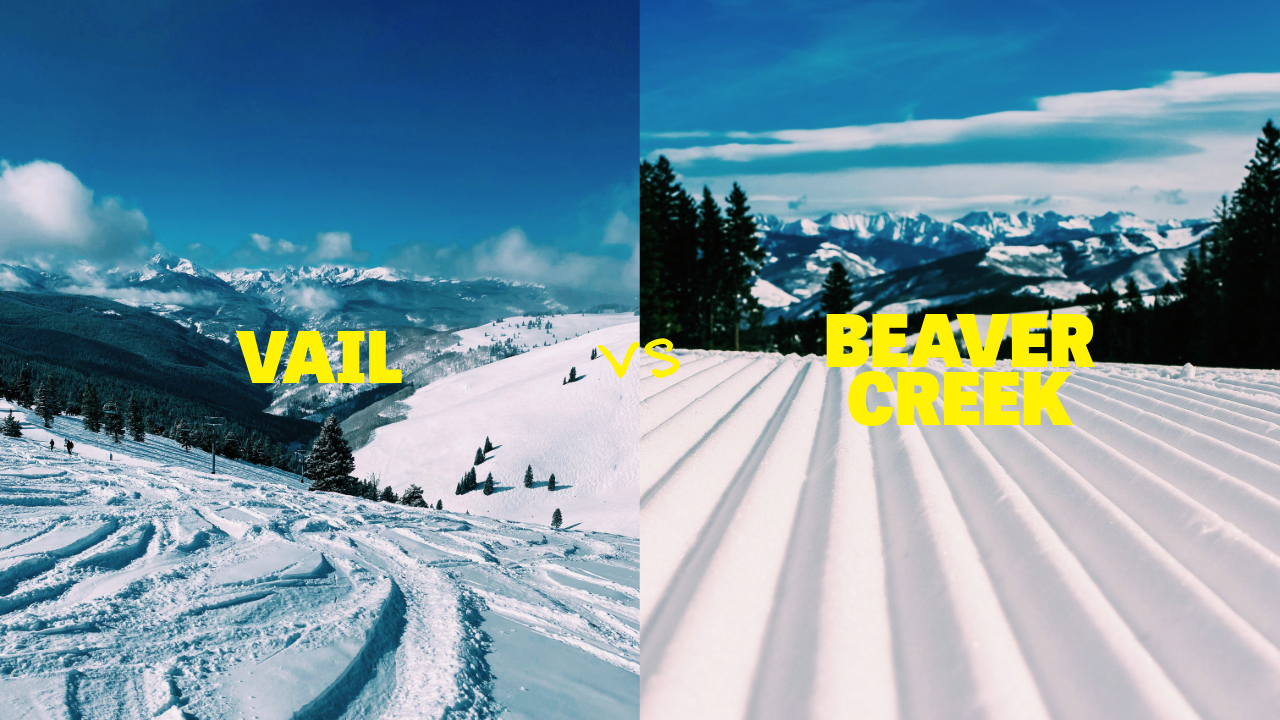
Vail vs. Beaver Creek: Which Colorado Mountain Town is Right for Your Vacation Rental Investment?
Colorado's majestic Rocky Mountains beckon investors with the promise of lucrative short-term rental (STR) opportunities. Among the most iconic and sought-after destinations are Vail and Beaver Creek – two world-class resorts that offer unparalleled luxury, breathtaking scenery, and a robust tourism economy. But for the discerning investor, the question remains: which mountain town presents the superior opportunity for a vacation rental investment?
This in-depth analysis will dissect the unique characteristics of Vail and Beaver Creek, providing data-driven insights and actionable advice to help you make an informed decision. We'll explore market dynamics, regulatory landscapes, rental performance, and the distinct guest experiences each destination offers, all crucial factors for maximizing your Colorado mountain rental ROI.
Understanding the Market: Vail Vacation Rental Investment
Vail, synonymous with prestige and unparalleled skiing, is a globally recognized brand. Its sprawling terrain, vibrant village, and year-round appeal make it a perennial favorite for luxury travelers.
Vail's Unique Appeal and Guest Demographics
Vail attracts a diverse, affluent clientele, including international visitors, families, and high-net-worth individuals seeking a premium mountain experience. The town boasts a sophisticated dining scene, high-end boutiques, and a lively après-ski culture. This demographic is willing to pay a premium for convenience, luxury amenities, and proximity to the slopes.
Key Data Points for Vail:
- Average Daily Rate (ADR): According to AirDNA data for the past 12 months, Vail's average daily rate for STRs consistently hovers above $1,000 during peak winter months, often exceeding $1,500 for larger, prime properties. Summer ADRs, while lower, remain strong, typically in the $400-$700 range.
- Occupancy Rates: Vail maintains robust occupancy, particularly from December through March, often exceeding 70-80%. Summer months (June-August) also see strong performance, frequently in the 60-70% range, driven by hiking, biking, and cultural events.
- Median Home Price: The median home price in Vail is significantly higher than the Colorado state average, often exceeding $3 million, with luxury properties commanding prices well into the tens of millions. This reflects the exclusivity and high demand for real estate in the area.
- Rental Inventory: While substantial, the inventory of high-quality, well-managed STRs in Vail remains competitive. Properties with ski-in/ski-out access, concierge services, and modern amenities command the highest premiums.
Regulatory Landscape in Vail
Vail has a relatively mature and well-defined STR regulatory framework. The town requires business licenses, collects sales and lodging taxes, and has specific zoning regulations that dictate where STRs are permitted. While not overly restrictive compared to some urban markets, compliance is crucial. Investors should be aware of potential future changes, as local governments continually assess the impact of STRs on housing and community character. Staying informed through local government websites and engaging with a knowledgeable local property manager is essential.
Beaver Creek STR: A Refined Investment Opportunity
Just a few miles west of Vail, Beaver Creek offers a more exclusive, curated experience. Known for its "white-glove" service, meticulously groomed slopes, and family-friendly atmosphere, Beaver Creek caters to a discerning clientele seeking privacy and unparalleled service.
Beaver Creek's Distinct Charm and Guest Profile
Beaver Creek's guests often prioritize luxury, convenience, and a slightly more understated elegance than Vail. It attracts families, multi-generational groups, and those who appreciate the resort's commitment to impeccable service, from escalator attendants to fresh-baked cookies at the base of the mountain.
Key Data Points for Beaver Creek:
- Average Daily Rate (ADR): Beaver Creek's ADRs are comparable to, and in some cases, even surpass Vail's, especially for high-end, ski-in/ski-out properties. Peak winter ADRs often range from $900-$1,400, with summer rates typically between $350-$650.
- Occupancy Rates: Similar to Vail, Beaver Creek experiences high occupancy during winter, frequently exceeding 75-85%. Summer occupancy is also strong, often in the 65-75% range, benefiting from its proximity to Vail and its own array of summer activities.
- Median Home Price: Real estate in Beaver Creek is also at a premium, with median home prices often exceeding $2.5 million, reflecting its luxury status and limited inventory within the gated community.
- Rental Inventory: Beaver Creek's STR inventory is often characterized by larger, more luxurious condominiums and townhomes, many offering direct slope access or shuttle services within the resort.
Regulatory Environment in Beaver Creek
Beaver Creek operates within unincorporated Eagle County and the Town of Avon (for properties just outside the gates). Eagle County has implemented STR regulations requiring licenses, proof of insurance, and adherence to various safety and operational standards. The Beaver Creek Property Owners Association (BCPOA) also has specific covenants and rules that STR owners must adhere to, which can be more stringent than public regulations. Understanding these layered requirements is vital for a smooth operation.
Comparative Analysis: Vail vs. Beaver Creek for Rental ROI
When evaluating Vail vacation rental investment versus a Beaver Creek STR, several factors directly impact your potential return on investment (ROI).
Investment Costs and Property Values
Both destinations represent significant capital investments. While Vail's median home prices are slightly higher on average, Beaver Creek's properties often come with higher HOA fees due to the extensive services and amenities provided within the gated community. Investors should factor in these ongoing costs, as they directly impact net operating income.
Rental Performance and Revenue Potential
Both markets demonstrate strong rental performance. However, the type of property and its amenities can dictate which market offers a higher ceiling.
- Vail: Properties with prime village locations, ski-in/ski-out access, and a high level of finish tend to generate exceptional revenue. The breadth of Vail's appeal means a wider range of property types can perform well, from cozy condos to sprawling estates.
- Beaver Creek: The focus on luxury and service means that properties offering a true "resort experience" – think concierge, ski valet, and high-end furnishings – are most successful. The slightly more concentrated nature of the resort can lead to higher ADRs for top-tier properties.
Example: A 3-bedroom, 3-bathroom ski-in/ski-out condo in Vail Village might command an average annual gross revenue of $150,000-$250,000+. A similar property in Beaver Creek, particularly in Bachelor Gulch or Arrowhead, could achieve comparable or even higher figures, often due to longer average stays and a willingness of guests to pay more for the exclusive experience.
Demand Drivers and Seasonality
Both towns benefit from strong year-round demand, mitigating some of the seasonality often seen in other mountain markets.
- Winter (December-April): Skiing and snowboarding are the primary drivers, with holidays and spring break periods seeing peak demand and pricing.
- Summer (June-September): Hiking, mountain biking, fly fishing, golf, and numerous festivals (e.g., Vail Dance Festival, Beaver Creek Wine & Spirits Festival) attract a significant summer crowd.
- Shoulder Seasons (May, October, November): These months typically see lower occupancy and ADRs, though they can still be profitable for properties offering attractive off-season rates or catering to specific events.
Management Considerations
Effective property management is paramount in both Vail and Beaver Creek due to the high-value assets and discerning clientele. Investors should seek local, experienced partners who understand the nuances of the luxury market, possess strong marketing capabilities, and offer exceptional guest services. Atomic Vacation Rentals, for instance, specializes in maximizing Colorado mountain rental ROI through tailored strategies and white-glove service, ensuring properties stand out in these competitive markets.
Actionable Advice for Prospective Investors
- Define Your Investment Goals: Are you seeking maximum cash flow, long-term appreciation, or a personal retreat with rental income? Your goals will influence whether Vail's broader appeal or Beaver Creek's exclusivity aligns better.
- Conduct Thorough Due Diligence: Go beyond surface-level data. Analyze specific property performance, review HOA documents, and understand local zoning.
- Prioritize Location and Amenities: In both markets, proximity to slopes, village centers, and luxury amenities are key drivers of rental income. Ski-in/ski-out properties consistently outperform.
- Budget for High-End Furnishings and Maintenance: Guests in these markets expect luxury. Skimping on interior design or maintenance will negatively impact reviews and ADRs.
- Engage Local Experts: A knowledgeable real estate agent specializing in STRs and a professional local property management company are indispensable. They can navigate complex regulations, optimize pricing, and provide the high level of service guests expect.
Conclusion: Making Your Choice
Both Vail and Beaver Creek offer compelling opportunities for a Colorado mountain rental investment.
- Choose Vail if you are drawn to a globally recognized brand, a vibrant, larger village atmosphere, and a slightly broader guest demographic willing to pay for convenience and prestige. The potential for high appreciation and strong year-