Vail Short-Term Rental Investment Guide: What to Know Before You Buy
Vail, Colorado is one of the most durable short-term rental markets in North America. While coastal and sunbelt STR markets have seen significant volatility over the past three years, Vail has maintained strong occupancy rates and average daily rates (ADR) driven by a simple structural advantage: world-class skiing with a finite supply of lodging within walking distance of the lifts.
This guide is for investors who are seriously evaluating a Vail property purchase — not for casual browsers. We'll cover the numbers, the regulations, the neighborhoods that matter, and the management realities that most listing agents won't tell you.
The Numbers That Matter
Before evaluating any specific property, you need to understand the market benchmarks. Based on Hostaway reservation data and publicly available AirDNA market reports, Vail properties in the core ski-in/ski-out corridor consistently achieve:
- Average Daily Rate (ADR): $850–$2,400 depending on bedroom count and proximity to lifts
- Occupancy Rate: 68–78% annualized for professionally managed properties
- Gross Annual Revenue: $120,000–$380,000 for 3–5 bedroom properties
- Peak Season Premium: December through March rates run 2.5–4x off-season rates
These figures assume professional management, optimized multi-platform distribution, and dynamic pricing. Self-managed properties typically achieve 15–25% less revenue due to suboptimal pricing, slower response times, and limited platform reach.
The Two Seasons That Drive Returns
Vail is genuinely a two-season market, which is a significant advantage over single-season mountain towns. Ski season (December–March) generates the bulk of revenue, but summer has grown substantially as Vail has invested heavily in mountain biking, hiking, the Vail Valley Music Festival, and outdoor dining infrastructure.
The shoulder seasons (April–May and October–November) are the weak spots. Investors who underwrite Vail deals should expect 30–40% occupancy during these months and plan accordingly. The best-performing properties use these windows for owner use, deep cleaning, and preventative maintenance — not as revenue months.
Neighborhoods and Micro-Markets
Not all Vail addresses are created equal. The market breaks down into distinct tiers:
Vail Village and Lionshead (Tier 1): Ski-in/ski-out or short walk to lifts. Commands the highest ADR and occupancy. Inventory is extremely limited and rarely trades. Expect $2.5M–$8M+ for a 3–4 bedroom unit.
East Vail and West Vail (Tier 2): Requires a shuttle or short drive to the lifts. ADR is 20–35% lower than Tier 1, but purchase prices are also significantly lower, often producing better cap rates. More inventory available.
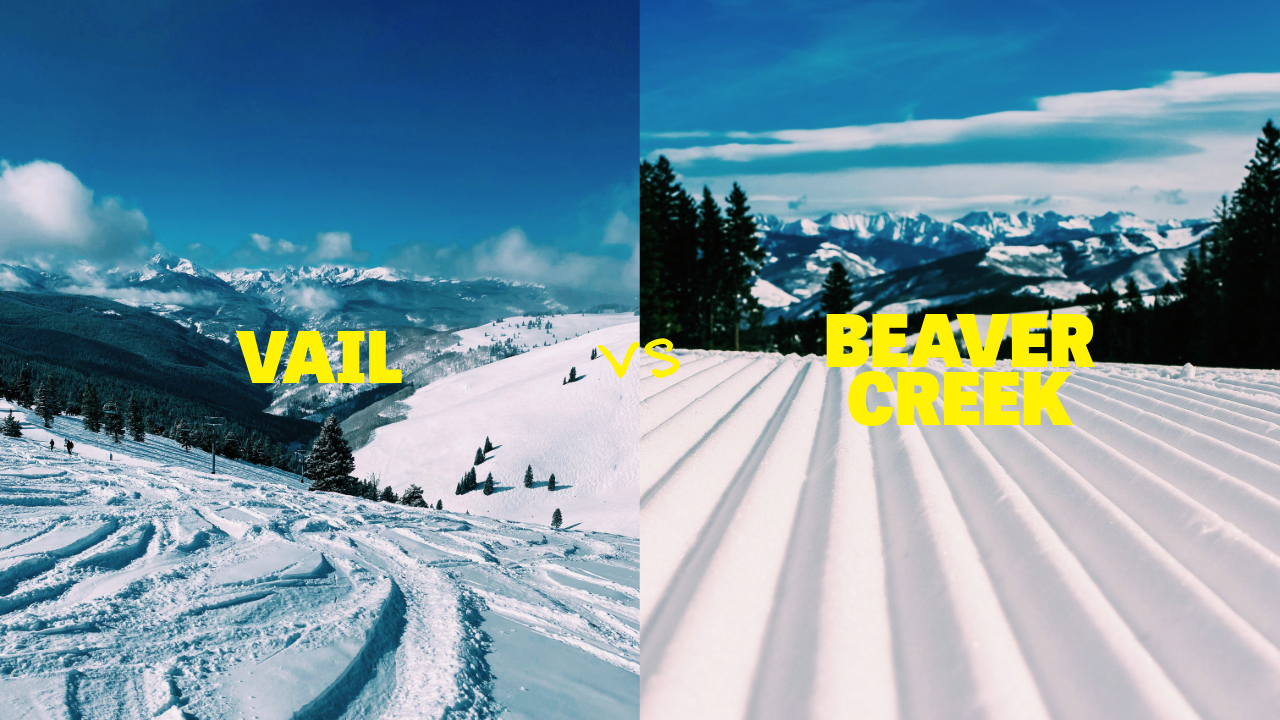
Avon and Beaver Creek (Tier 2–3): Beaver Creek is a premium resort in its own right, with a more exclusive, less crowded feel than Vail. Avon offers more affordable entry points with strong rental demand. Both markets benefit from proximity to Vail without Vail's price premium.
Regulatory Landscape: What You Must Know
Vail has implemented short-term rental regulations that every investor must understand before purchasing:
- STR License Required: All properties rented for fewer than 30 consecutive days require a Town of Vail STR license.
- Primary Residence Exemption: Some zones restrict STRs to owner-occupied primary residences. Verify zoning before purchasing any investment property.
- HOA Restrictions: Many Vail condominium associations have their own STR rules that supersede town regulations. Always review HOA documents with an attorney.
- Occupancy Limits: Town regulations cap occupancy at 2 persons per bedroom plus 2 additional guests.
- Noise and Parking: Violations can result in license suspension. Professional management significantly reduces compliance risk.
The regulatory environment in Vail is manageable but requires diligence. Properties in unincorporated Eagle County face different (and generally more permissive) rules than those within Vail town limits.
The Management Decision
This is where most investors make their biggest mistake. The difference between a well-managed and poorly managed Vail STR is not marginal — it's often $40,000–$80,000 per year in gross revenue on a typical 4-bedroom property.
Large national property management companies operate on volume and standardization. They apply the same playbook to a Vail ski chalet that they use for a beach condo in Florida. Local management companies with deep market knowledge, established relationships with local vendors, and genuine 24/7 on-the-ground presence consistently outperform national operators on both revenue and guest satisfaction metrics.
When evaluating a management partner, ask specifically about:
- Their average ADR for comparable properties in your target neighborhood
- How they handle dynamic pricing during local events (Vail Snow Days, GoPro Mountain Games, etc.)
- Their vendor relationships for emergency maintenance
- Owner communication frequency and reporting transparency
Underwriting a Vail STR Deal
A conservative underwriting model for a Vail STR purchase should include:
| Line Item | Typical Range | |-----------|---------------| | Gross Revenue | $150,000–$300,000 | | Management Fee (30%) | ($45,000–$90,000) | | HOA Dues | ($12,000–$36,000) | | Property Taxes | ($8,000–$25,000) | | Insurance | ($3,000–$8,000) | | Utilities | ($6,000–$12,000) | | Maintenance & CapEx | ($8,000–$15,000) | | Net Operating Income | $68,000–$114,000 |
At current Vail purchase prices ($1.5M–$4M for a typical investment-grade property), cap rates typically range from 3.5–6%. This is not a cash-flow-first investment — it's a total-return play combining rental income, appreciation, and personal use value.
The Bottom Line
Vail is a compelling STR market for investors who understand what they're buying. The supply constraints, dual-season demand, and affluent guest demographic create a durable income stream that has proven resilient through economic cycles.
The keys to success are straightforward: buy in the right neighborhood, understand the regulatory environment, and partner with local management that has a proven track record in your specific market.
If you're evaluating a Vail property and want a realistic revenue projection based on actual comparable performance data, Atomic Vacation Rentals offers free property analysis for prospective owners. We manage properties across Vail, Beaver Creek, and Avon, and we'll give you honest numbers — not inflated projections designed to win your business.