Investing in the Colorado short-term rental (STR) market presents a compelling opportunity, but a fundamental question often arises: should one target the luxury segment or the more budget-friendly tier? The answer is nuanced, deeply rooted in market specifics, operational strategy, and investor objectives. As local experts deeply embedded in the Vail, Beaver Creek, Greater Denver Metro, and Winter Park markets, we provide a data-driven comparison to illuminate which strategy typically yields superior performance in Colorado's dynamic landscape.
Understanding Colorado's Diverse STR Markets
Colorado's STR ecosystem is not monolithic. Each region, from the high-alpine luxury enclaves to the urban and family-friendly destinations, possesses distinct characteristics that influence rental performance for both luxury and budget properties.
- Vail & Beaver Creek: These are quintessential luxury ski destinations. Guests here expect unparalleled amenities, ski-in/ski-out access, concierge services, and high-end finishes. The market is driven by discerning travelers willing to pay premium rates for exceptional experiences.
- Winter Park: While still a prominent ski resort, Winter Park offers a broader appeal, attracting both luxury seekers and families looking for value. It's a market where mid-range and higher-end properties can thrive, alongside more budget-conscious options, particularly for groups.
- Greater Denver Metro: This urban market caters to business travelers, event-goers, and tourists exploring the city and its surrounding attractions. Performance here is less about ski access and more about location convenience, unique urban experiences, and competitive pricing across all tiers.
Defining Luxury and Budget in Colorado STRs
For clarity, let's establish working definitions:
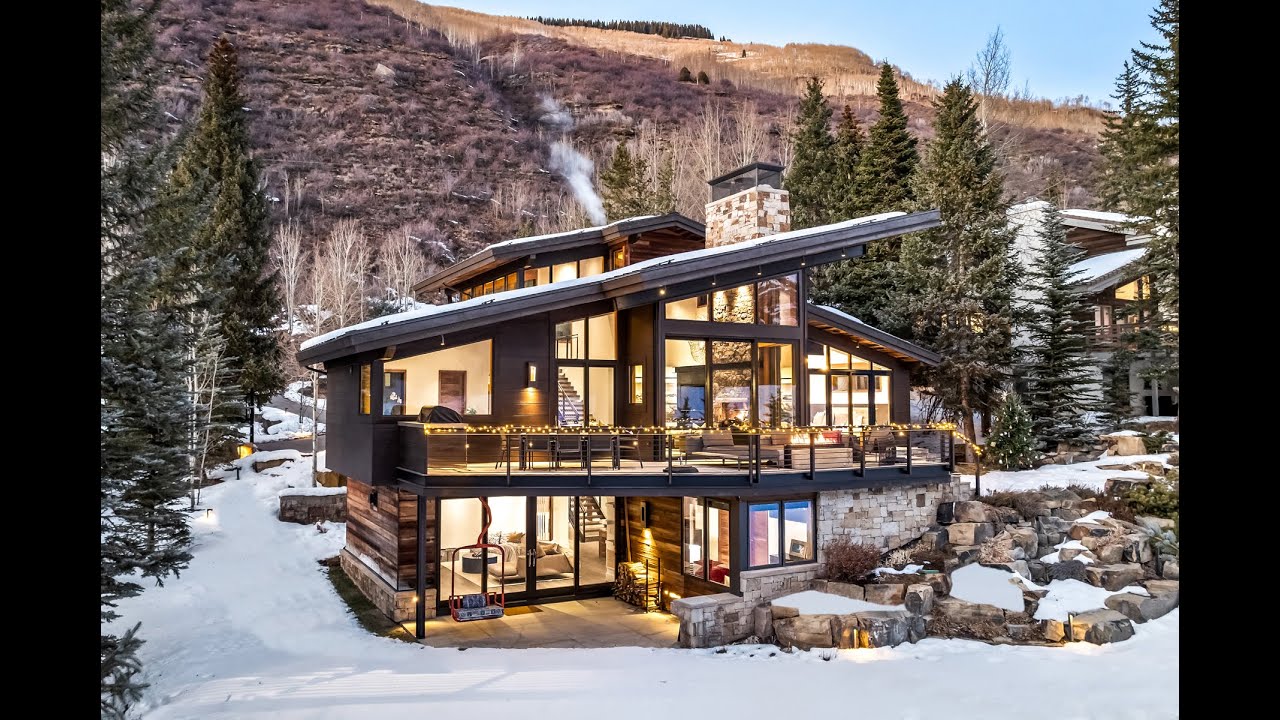
- Luxury STR: Typically characterized by high-end finishes, premium amenities (hot tubs, private chefs, home theaters), prime locations (ski-in/ski-out, mountain views, downtown penthouses), professional design, and often larger square footage. These properties command nightly rates significantly above the market average for their area.
- Budget/Mid-Tier STR: These properties offer comfortable, clean, and functional accommodations. While they may lack some of the opulent amenities, they provide excellent value, often in slightly less prime locations or with more basic furnishings. Their appeal lies in affordability and practicality.
Performance Metrics: Occupancy, ADR, and Revenue
When evaluating STR performance, three key metrics are paramount: Occupancy Rate, Average Daily Rate (ADR), and Gross Revenue.
Average Daily Rate (ADR)
Unsurprisingly, luxury properties consistently command significantly higher ADRs. In Vail, for example, a luxury 4-bedroom chalet might achieve an ADR of $1,500-$3,000+ during peak season, whereas a well-maintained 2-bedroom condo in a budget-friendly location might average $300-$600. This disparity is a direct reflection of the value proposition and the target demographic's willingness to spend.
- Vail/Beaver Creek: Luxury properties often see ADRs 3-5x higher than mid-tier options.
- Winter Park: The gap is narrower, perhaps 2-3x, as the market supports a broader range.
- Greater Denver Metro: Luxury urban penthouses can achieve 2-4x the ADR of a standard 1-bedroom apartment, driven by unique amenities and prime locations like LoDo or Cherry Creek.
Occupancy Rate
This is where the narrative often shifts. While luxury properties boast high ADRs, they can sometimes experience slightly lower occupancy rates compared to their budget counterparts, particularly in shoulder seasons. The pool of guests who can afford ultra-luxury is smaller.
However, in established luxury markets like Vail, high-end properties often maintain robust occupancy, especially during peak ski season (December-March) and summer (July-August). Strategic pricing and sophisticated marketing are crucial here.
Budget and mid-tier properties, especially in markets like Winter Park or the Greater Denver Metro, can often achieve higher year-round occupancy due to their broader appeal and affordability. They fill gaps during off-peak times and attract longer stays from various traveler types.
Gross Revenue and Net Operating Income (NOI)
Ultimately, gross revenue (ADR x Occupancy) is a primary indicator. In most Colorado STR markets, well-managed luxury properties tend to generate significantly higher gross revenue and, crucially, higher Net Operating Income (NOI), despite potentially lower occupancy rates. The higher ADR often outweighs any occupancy deficit.
Consider a luxury property in Beaver Creek generating $150,000 in gross revenue with 50% occupancy versus a budget property generating $70,000 with 75% occupancy. The luxury property's higher revenue per booking makes it more resilient to slight dips in booking volume. Furthermore, the operational costs for a luxury property, while higher in absolute terms (e.g., higher cleaning fees, more meticulous maintenance), often represent a smaller percentage of the overall revenue, leading to better profit margins.
The Investment Perspective: ROI and Market Resilience
Return on Investment (ROI)
For real estate investors, the critical question is ROI. While luxury properties require a substantially higher initial investment, their potential for outsized returns is often greater. The appreciation of luxury real estate in desirable Colorado markets has historically been robust, adding another layer to the investment's value. Moreover, luxury properties tend to attract a more responsible clientele, potentially reducing wear and tear and associated maintenance costs in the long run.
Budget properties, while requiring less capital, often face more intense competition and can be more susceptible to market fluctuations or regulatory changes that impact affordability.
Market Resilience
Luxury properties often demonstrate greater resilience during economic downturns. High-net-worth individuals, the primary clientele for luxury STRs, are typically less impacted by economic shifts than budget-conscious travelers. This makes luxury investments a more stable option in volatile economic climates.
Operational Complexity
Managing a luxury property demands a higher level of service and attention to detail. Guests expect flawless execution, personalized experiences, and immediate resolution of any issues. This requires a professional management partner with local expertise and a proven track record in high-end hospitality. Generic, large-scale management services often fall short in delivering the bespoke experience luxury guests demand, which can directly impact reviews and future bookings.
Actionable Takeaways for Investors and Owners
- Understand Your Market: Before investing, conduct thorough due diligence. A luxury property in Vail will have different performance drivers than one in downtown Denver. Consult with local experts who understand the micro-markets.
- Focus on Differentiation: For luxury, it's about unique experiences and unparalleled amenities. For budget, it's about exceptional value, cleanliness, and efficiency. Don't try to be both; define your niche clearly.
- Prioritize Professional Management: Regardless of tier, effective management is crucial. For luxury, this means white-glove service, proactive maintenance, and sophisticated marketing. For budget, it means efficient operations, dynamic pricing, and swift guest communication. Avoid large, impersonal management companies that lack localized expertise and personalized service.
- Embrace Local Specificity: Leverage local events (e.g., Vail Dance Festival, Winter Park Jazz Festival, Denver's Great American Beer Festival), local attractions, and unique neighborhood characteristics in your marketing and guest experience.
- Data-Driven Pricing: Utilize advanced analytics to set dynamic pricing strategies that maximize ADR during peak seasons and optimize occupancy during shoulder seasons. This is particularly vital for luxury properties to capture their full earning potential.
Conclusion: The Case for Luxury in Colorado STR
While both luxury and budget vacation rentals can be profitable in Colorado, data consistently indicates that well-positioned and expertly managed luxury properties generally outperform their budget counterparts in terms of gross revenue and Net Operating Income. The higher ADRs, combined with a discerning clientele and the appreciating value of high-end real estate in coveted locations like Vail, Beaver Creek, and select Denver neighborhoods, present a compelling investment thesis.
However, success in the luxury segment is not automatic. It requires a significant initial investment, an uncompromising commitment to quality, and a partnership with a local management company that understands the nuances of high-end hospitality. Generic, one-size-fits-all management solutions offered by national brands simply cannot deliver the localized, personalized service that drives superior performance for luxury assets.
At Atomic Vacation Rentals, we specialize in maximizing the performance of luxury and premium short-term rentals across our Colorado markets. Our deep local knowledge, sophisticated marketing strategies, and white-glove guest services are designed to ensure your property not only meets but exceeds its income potential. If you're considering investing in or optimizing a luxury vacation rental in Colorado, contact us for a personalized performance analysis.